Similar Posts
VegetableGrafting.org – Research Based Information Portal
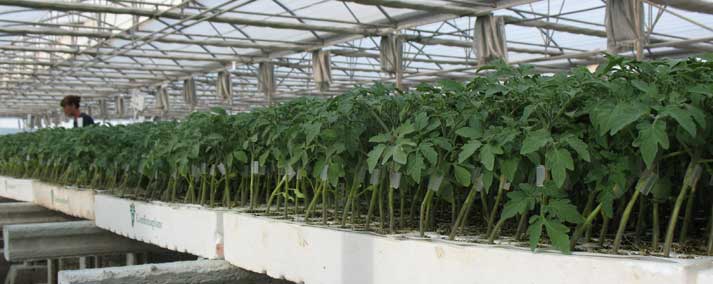
Why Grafting Is Important Grafting is important for a number of reasons. First, grafting emphasizes the use of genetics in overcoming abiotic and biotic crop stress. Heightened host resistance has proven time and again to be a foundational component of successful integrated crop management strategies. Second, grafted plants can be used in vegetable operations of…
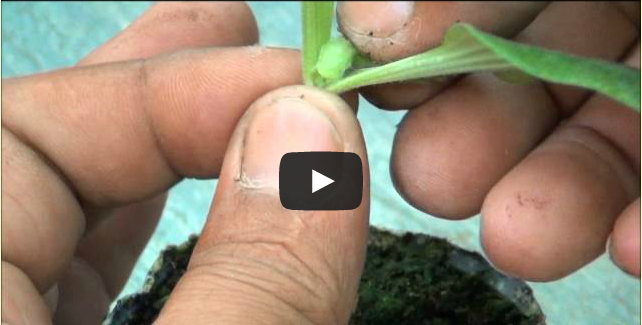
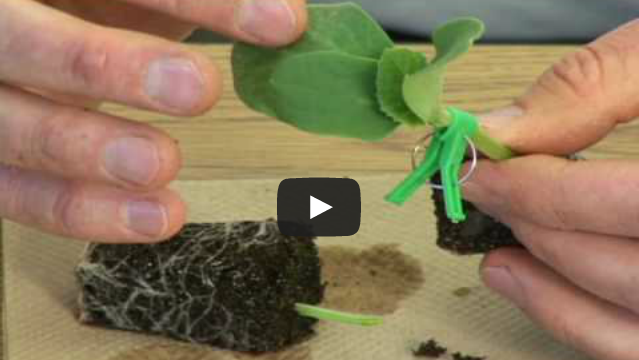
How to Graft Cucurbits
Grafting cucurbits on to disease-resistant rootstocks can help farmers and gardeners avoid problems with Fusarium wilt. Watch as staff from AVRDC – The World Vegetable Center demonstrate this simple, effective technique.
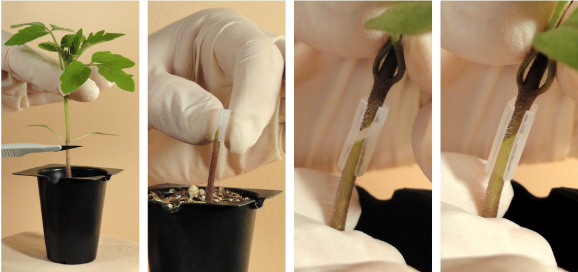
Tomato Grafting for Disease Resistance and Increased Productivity
Researchers around the world have demonstrated that grafting can protect plants against a variety of soil-borne diseases in various climates and conditions. Grafting has been successfully implemented in many countries to battle diseases such as Verticillium and Fusarium wilt, corky root rot and bacterial wilt, among others. Along with maintaining high fruit quality, tomato grafting…