Observations on Insect Management in Purdue University’s High Tunnel Systems
Rick Foster
Department of Entomology
Purdue University
Download Observations on Insect Management in Purdue University’s High Tunnel Systems

Rick Foster
Department of Entomology
Purdue University
Download Observations on Insect Management in Purdue University’s High Tunnel Systems
Growing Under Cover 2 is here!! Written by Tom Buller, Kansas Rural Center; Dr. Cary Rivard, Kansas State University, Fruit and Vegetable Extension Specialist; and Kim Oxley, Research Extension Associate, Kansas State University, Growing Under Cover: A Kansas Grower’s Guide, provides success stories from Kansas farmers who use tunnels on their farms, additional general management strategies,…
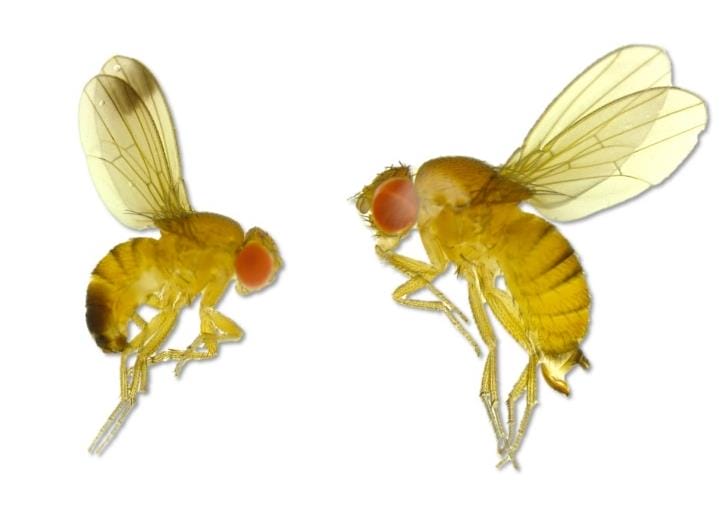
Spotted wing Drosophila (SWD) is an important pest of berries, cherries, and some thin-skinned grape varieties. The berry crops at greatest risk are raspberries, blackberries, strawberries, and blueberries. For many berry and small fruit growers, SWD has rapidly become their most critical insect pest. SWD is native to Asia and was first detected in the…
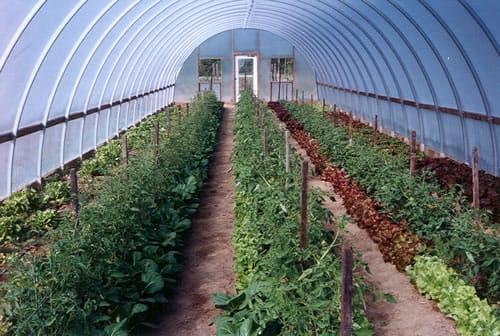
Abstract In organic production, tomato, pepper, and eggplant are normally started indoors and transplanted to the field to give them a head start on the weeds. Crops kept free of weeds for the first 4–8 weeks (tomato) or 8–10 weeks (eggplant, pepper) after transplanting can usually outcompete later-emerging weeds. However, late-season weeds can interfere with…
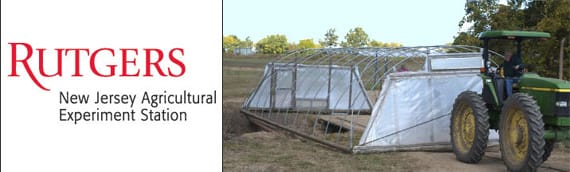
Adapting annual crop production rotation practices for high tunnels in ways that enable growers to maintain soil fertility and health is not yet completely worked out. There are few well-established rotation recipes, and every grower needs to put in place a rotation plan that works for them, using resources available. For example, using cover crops…
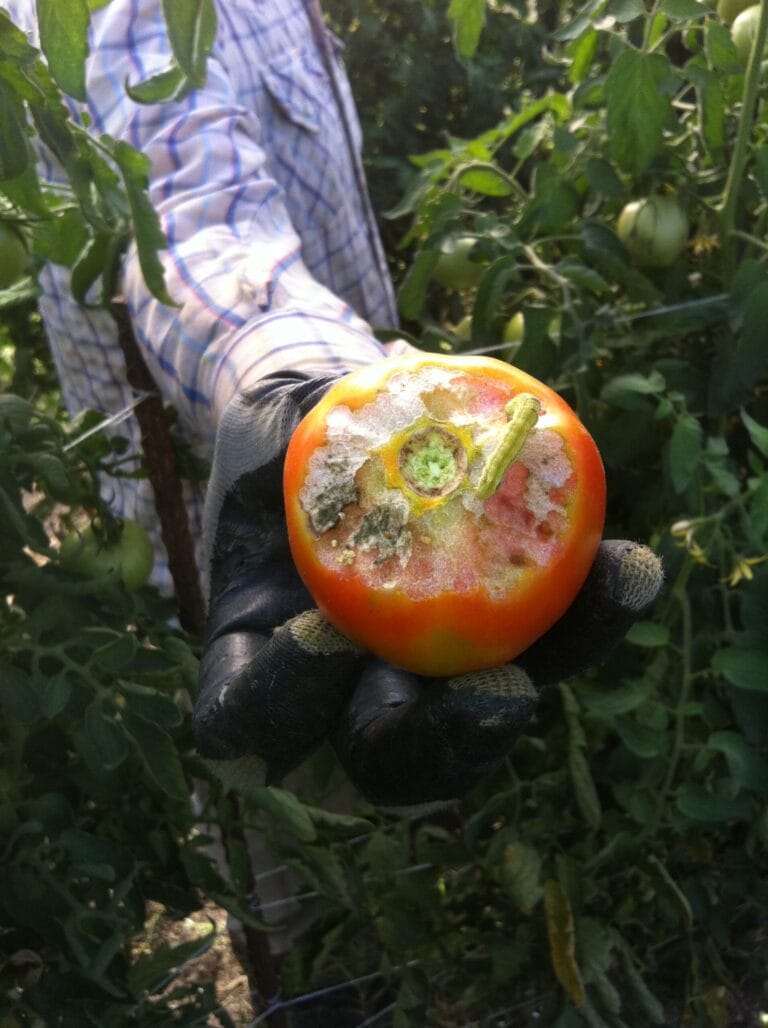
Whether you grow fruit and vegetables in a traditional garden space or in a protected space such as a greenhouse, low tunnel, hoop house, and/or high tunnel, you will eventually have insect or mite problems. Structures not only protect the plants from the elements but also provide optimal growing conditions for pests. Scouting, correct identification,…
Long before the term “sustainable” became a household word, farmers were implementing sustainable practices in the form of Integrated Pest Management (IPM) strategies. IPM uses a combination of biological, cultural, physical, and chemical methods to reduce and/or manage pest populations. These strategies are used to minimize environmental risks, economic costs, and health hazards. Pests are…