Organic Disease Control in High Tunnels
An University of Vermont 2012 High Tunnel Conference Presentation by Paul and Sandy Arnold, Pleasant Valley Farm
Organic Disease Control in High Tunnels

An University of Vermont 2012 High Tunnel Conference Presentation by Paul and Sandy Arnold, Pleasant Valley Farm
Organic Disease Control in High Tunnels
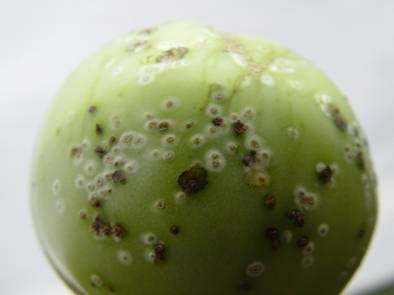
Introduction Production of tomatoes in greenhouses and high tunnels has increased in popularity significantly in the last decade. Both provide the option of off-season production and expansion of markets over traditional outdoor field systems. While greenhouse tomato culture tends to be very high-tech and capital-intensive, high tunnels expand the growing season in both spring and…
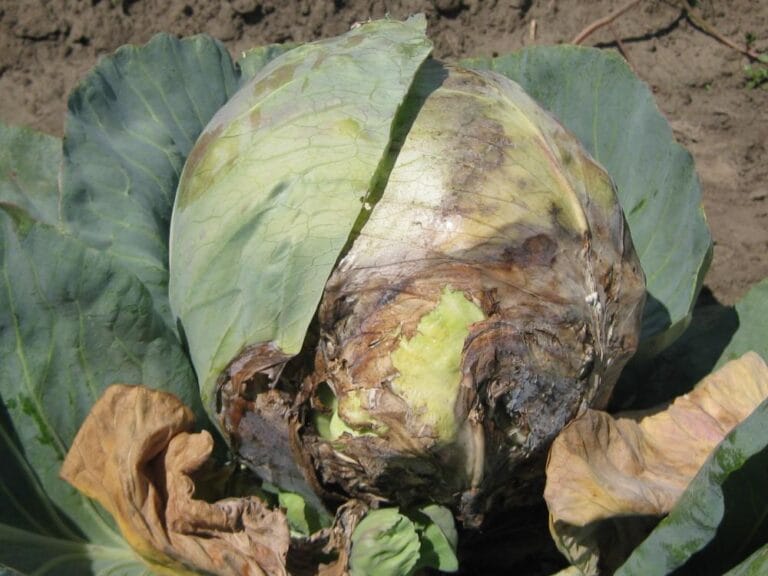
Introduction Soilborne diseases can be a major limitation to crop production, particularly for vegetables. They are often difficult to control, even with conventional strategies. Fungal, plasmodiophorid, oomycete, and bacterial pathogens, as well as viruses and plant parasitic nematodes, may all cause soilborne diseases. Important soilborne fungal pathogens are species of Fusarium (Fig. 1), Rhizoctonia (Fig….
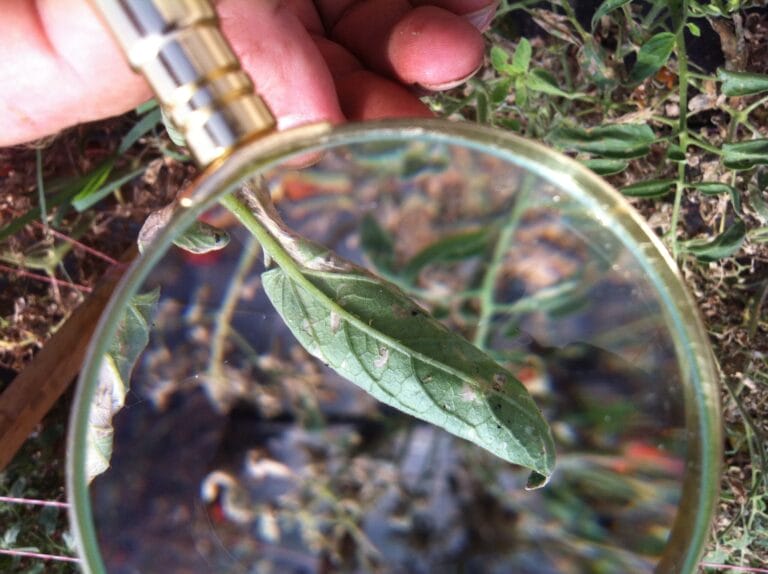
Introduction A susceptible host may be present, and a virulent pathogen may be right where it needs to be to infect it, but no disease will ensue unless the environment is accommodating. This corner of the disease triangle (the Environment) is key to the development of a serious epidemic. Knowing how to manipulate the environment…